
Filming Permits in Valencia
A local production contact to coordinate filming permits and production administration in Valencia. We tell you what can be organised on the ground, without promising approvals.

Local permit support
Local coordination
Send your shoot dates, locations and crew needs, and we will tell you what we can coordinate.
How we work
Who we work with
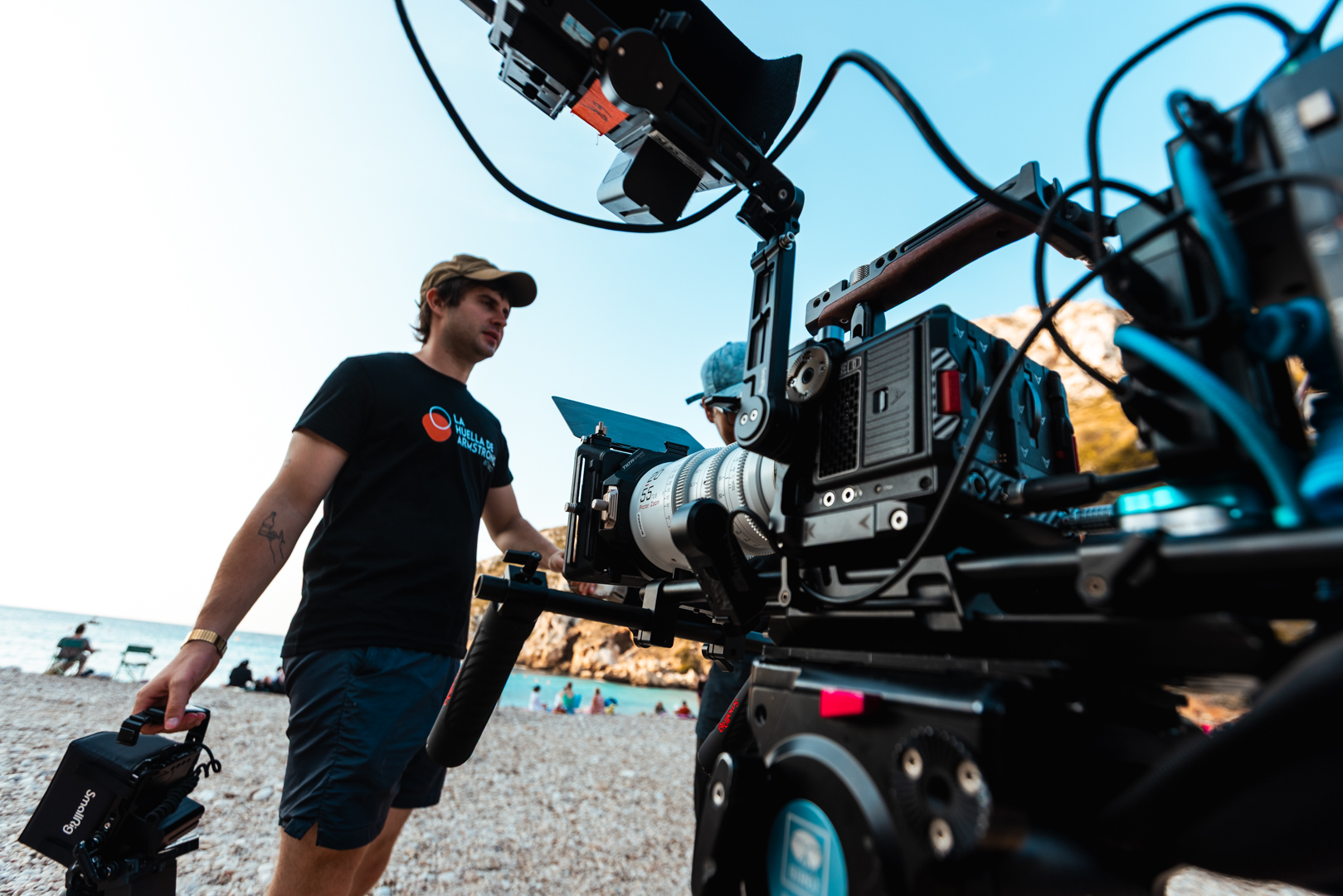
These videos show how ground-level production coordination works when a visiting crew lands in Valencia: scouting, location logistics and the conversations that keep a shoot moving. They are a practical view of the work, not a showreel.
One local contact
One local contact centralises permit coordination, Film Office contacts and production administration in Valencia.
Verified local network
Pedro Ponce coordinates scouting, local technical crew, suppliers and logistics for visiting productions.
Clear scope
We tell you what can be coordinated on the ground before you commit to dates or locations.

Support on the ground One local contact
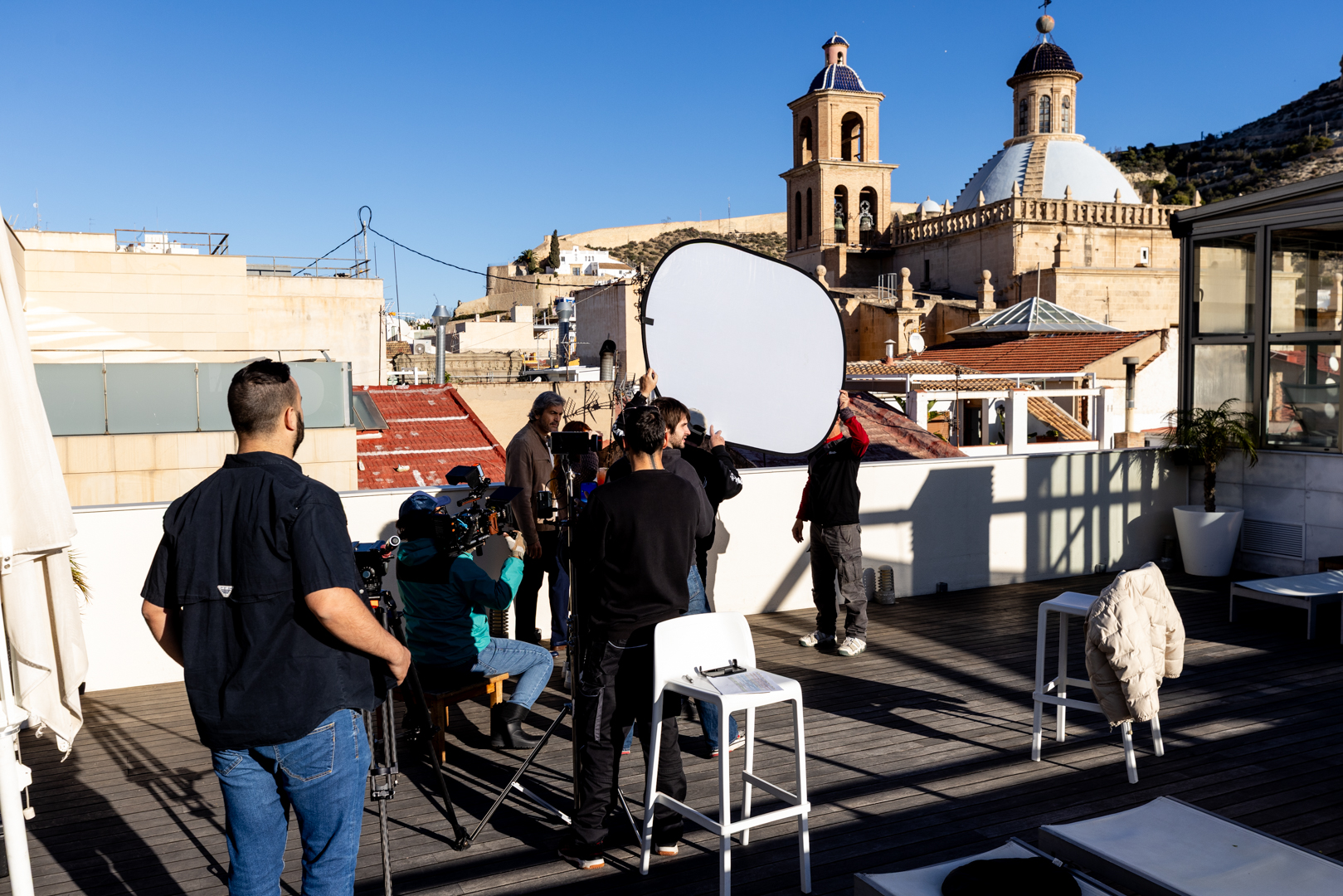
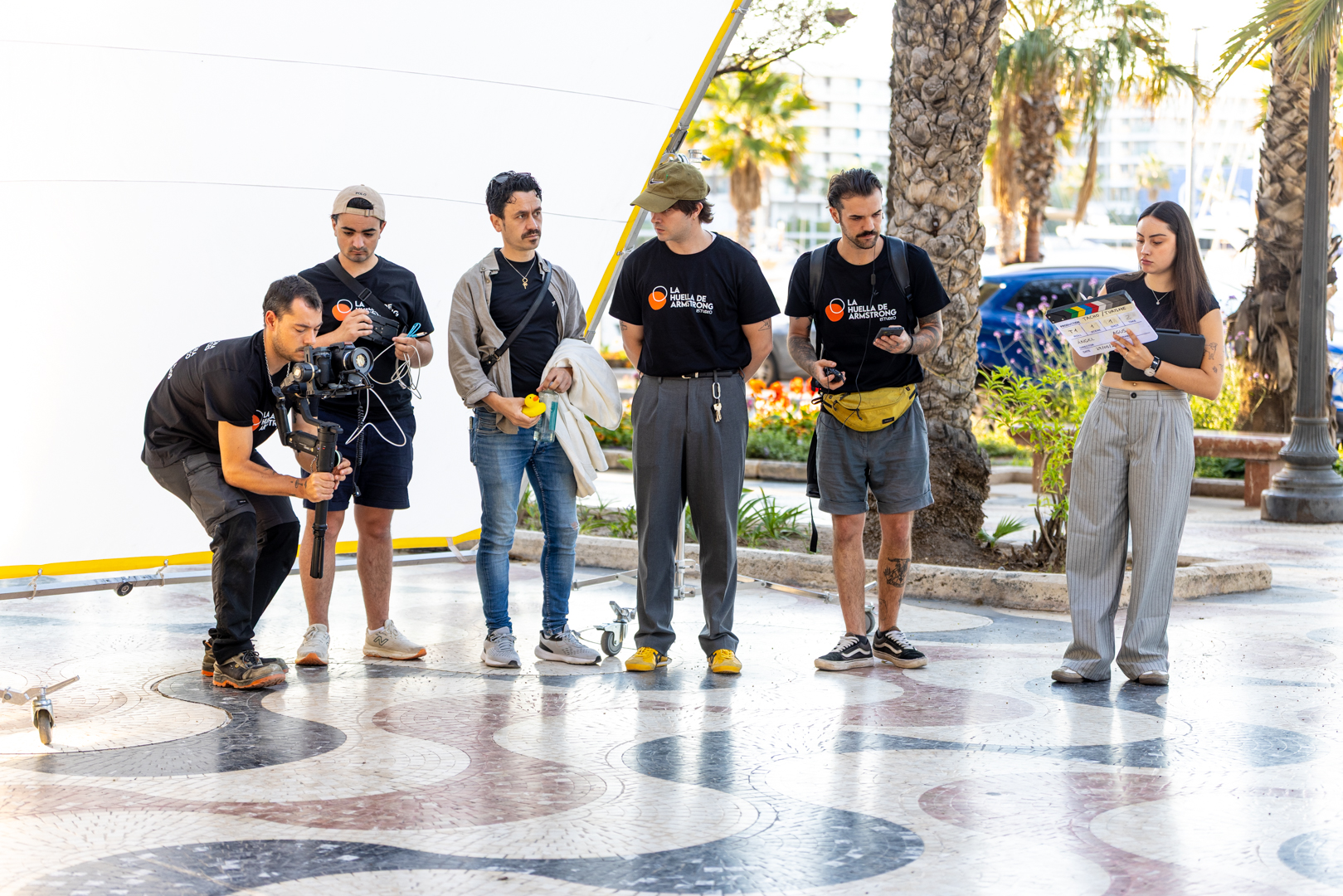
A look at the ground-level production support we coordinate for visiting crews in Valencia: locations, permits, local crew, suppliers and logistics.
Permits in order
Production services
One local contact centralises what a production needs on the ground in Valencia: locations, filming permits, local technical crew, suppliers, transport and logistics. Pedro Ponce acts as fixer, producer and production coordinator, backed by a team of specialists.
One contact, one plan
How permit coordination works
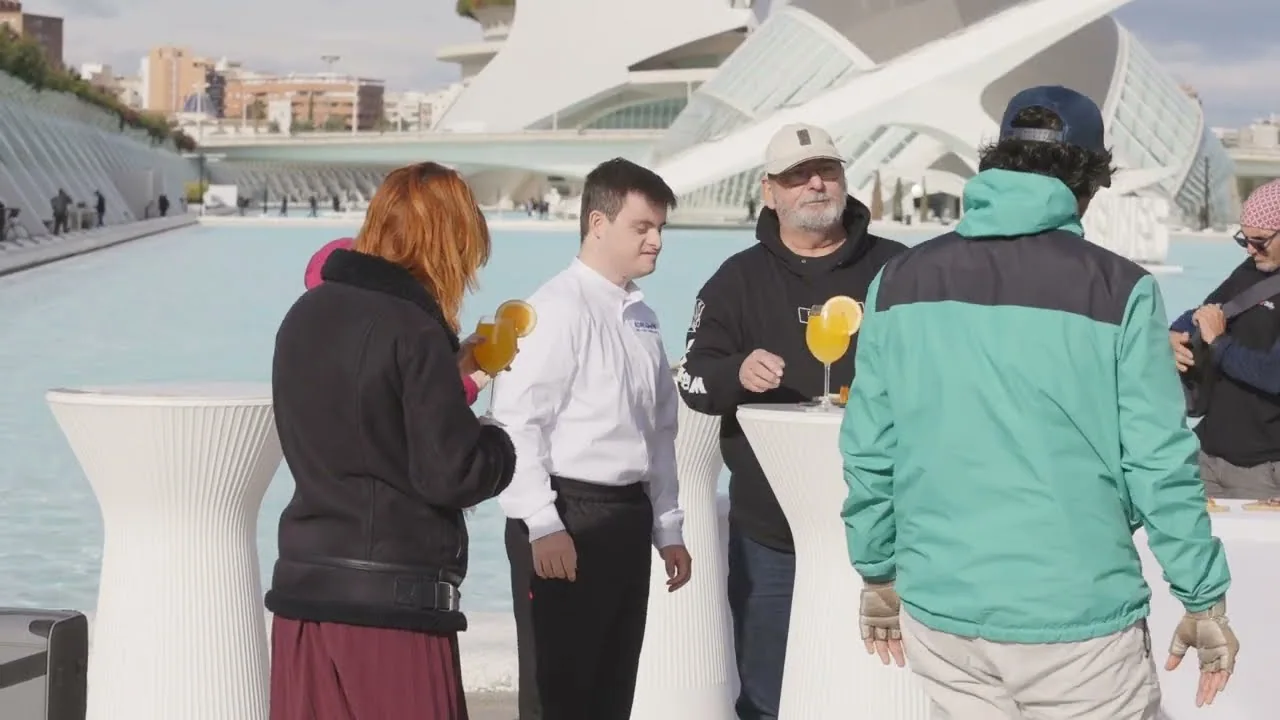
Permits in Valencia involve several administrations. A local contact organises the paperwork so your crew knows what to prepare before travelling.
Scouting that answers before you commit
Scouting in Valencia starts with what the script actually needs: light, access, sound conditions and how the space behaves with a crew inside it. We work with the relationship we hold with JOVEMPA Alicante, its associated-company network and Film Offices in the province to open conversations around locations and filming permits. What we deliver is a clear picture of what is viable and what is not, so you can decide before committing budget or travel.


Ground-level production support
Permits coordinated, never promised
Local crew you can verify
Yes. Through the same local network we can put you in touch with technical crew and suppliers who fit the format and the shoot dates. We do not present a fixed roster as if it were ours; we tell you who is available, what they have done and how they would integrate with your team. You keep the final call on every hire.
⌖La Huella de Armstrong Estudio
Calle Artesanos, 12 · San Vicente del Raspeig, Alicante
Cómo llegar en Google MapsEl mapa conecta con Google. Permite el contenido externo en las preferencias y pulsa de nuevo en cargar mapa.
Filming permits in Valencia are rarely a single document. They depend on the location, the type of shoot and the authority involved, and no local contact can guarantee approval before an application is assessed. What a production contact can do is coordinate the process, reduce uncertainty and keep the production informed at each stage. Tell us about your production and we will explain what can be coordinated on the ground.
What filming permits in Valencia actually require from a production
Permit requirements in Valencia vary according to whether the shoot takes place on public roads, in a protected natural area, inside a building with its own management or on private land. Each case usually involves a different authority, a different form and a different processing window. A production may need to submit a technical description of the shoot, dates, hours, vehicle access and the size of the crew, but the exact list depends on the location and the administration handling it.
The practical difficulty for an international crew is not filling in a form. It is knowing which body is competent, what documentation it expects and how far in advance it should be approached. A local production contact can map that landscape and coordinate the submission, while being clear that the decision always rests with the authority.
Permits and production administration, coordinated in order
Permit coordination sits inside a wider administrative sequence. Before an application makes sense, the production usually needs to know which locations are viable, what access each one allows and how the shooting schedule fits around opening hours or local restrictions. Coordinating permits therefore means coordinating information first.
- Identifying which authority manages each proposed location.
- Clarifying the documentation a production is expected to provide.
- Coordinating submission and follow-up with the relevant office.
- Keeping the production updated on what has been requested and what remains open.
This is administrative coordination, not a guarantee. Approvals, conditions and timelines are set by the authorities, and a responsible local contact will say so from the start.
Pedro Ponce, experience and a verifiable local network
Pedro Ponce works as a fixer, producer and production coordinator, backed by a team of specialists. The brief states more than ten years of experience in audiovisual production. That experience matters less as a claim and more as a working method: knowing who to call, which office handles which location and how to keep a production moving when a requirement changes.
The relationship with JOVEMPA Alicante, its associated-company network and Film Offices in the province helps facilitate locations, permits, local technical crews, transport, accommodation, logistics, suppliers and production issues. For a visiting crew, that network is the difference between starting from zero and starting from a known point of contact. The brief also states 24/7 availability, which is relevant when a shoot runs across time zones or outside standard office hours.
Scouting and location support around the permit question
Scouting and permits are connected. A location that looks ideal on a screen may sit under a jurisdiction with a longer processing window, restricted access or conditions that affect the shooting plan. Practical scouting for a visiting production usually involves assessing access, surroundings, light, noise, parking and how the location behaves at the hours the crew intends to shoot.
It is useful to assess each option against the permit reality before committing. A production may prefer a location with a simpler administrative path over a more visually striking one that risks delaying the schedule. That trade-off is a production decision, and the local contact's role is to present the options clearly so the decision can be made with full information.
Local technical crew and the professional network
Many productions travel with a core team and hire the rest locally. Coordinating local technical crews is part of the ground-level support, alongside suppliers, transport and logistics. The decision criteria are usually practical: which roles need to be local, how the crew integrates with the travelling team and what the shooting schedule demands.
Suppliers and logistical needs around the shoot are coordinated in the same way. Transport and runner support can be arranged, and the operational vehicle available is a Ford Transit Custom Kombi L2 Trend automatic, black, with nine seats and a production runner. Beyond that, the service can involve connecting the production with the local suppliers it needs, without inventing terms or conditions that have not been agreed.
Alicante and the Costa Blanca as production context
La Huella de Armstrong Estudio operates from Alicante, and the Costa Blanca provides a varied production context: urban environments, coastal locations and inland areas within reach of each other. For crews filming in Valencia, the same regional knowledge and Film Office relationships apply where the production requires coordination across the wider area.
What a local contact offers is continuity. One point of contact for permits, locations, crew and logistics reduces the number of separate conversations a production has to manage from abroad, and keeps the administrative thread visible as the shoot approaches.
Frequently asked questions
Can filming permits in Valencia be guaranteed before applying?
No. Permits are granted or refused by the competent authority after assessing the application. A local production contact can coordinate the process and reduce uncertainty, but cannot promise an outcome.
What information should a production send to start permit coordination?
Shoot dates, the locations under consideration, the size and needs of the crew, and any technical requirements that affect access. With that, we can explain what can be coordinated on the ground.
Does the service cover local crew, suppliers and logistics as well as permits?
Yes, where relevant to the production. Local technical crews, suppliers, transport and logistics can be coordinated alongside permits, depending on what the shoot requires.
Operational support also includes a Ford Transit Custom Kombi L2 Trend automatic, black, 9 seats, with production runner.
Ready to film in Valencia
Start the coordination
Send your shoot dates, the locations you are considering and the crew you are bringing to Valencia. We will tell you what we can coordinate on the ground, without promising approvals.